Over 3 billion people worldwide are affected by neurological conditions (GBD 2021 Nervous System Disorders Collaborators, 2024). That’s roughly 40% of the global population. Alzheimer’s, Parkinson’s, epilepsy, stroke; these conditions are becoming more common as populations age, and the healthcare systems meant to treat them aren’t keeping up.
The Current State of Neurological Healthcare
The World Health Organization estimates that neurological conditions now cause approximately 11 million deaths per year, making them a leading source of illness and disability globally (WHO, 2025). The burden extends well beyond case counts. Cognitive function, mobility, daily independence, and the ability to work are all at stake, and the number of people affected continues to rise.
In the United States, growing demand for neurological care has outpaced the supply of specialists. The result: longer wait times, delayed diagnoses, and more pressure on the neurologists who are practicing. Patients in underserved areas feel this most acutely.
Fewer neurologists means less time with each patient, which can compromise the personalized attention that neurological conditions require. Heavy caseloads take a toll on providers too, and workforce challenges like these tend to compound over time.
Neurological Diseases and Their Impact
Neurodegenerative diseases like Alzheimer’s and Parkinson’s affect millions, with numbers expected to rise as populations age. The impact reaches beyond patients. Families are the ones who witness the gradual decline, and the caregiving burden is enormous.
Epilepsy, MS, and other chronic neurological conditions each come with their own problems: seizure unpredictability disrupts school and work, MS symptoms shift without warning, and access to treatment varies wildly depending on where you live. These aren’t rare conditions. They’re common, and they’re hard to manage even with good care.
Stroke is the second leading cause of death among non-communicable diseases worldwide (WHO, 2025). It’s also one of the most time-sensitive: every minute without treatment matters. Prevention through managing risk factors like hypertension and diabetes remains one of the most effective strategies we have.
The Role of Neuroanatomy Education
Many of these challenges trace back, at least in part, to gaps in neuroanatomy education. The shortage of neurologists starts in medical school, where neurophobia, a documented anxiety around neuroscience topics, steers students away from the field. Better educational tools can help close that gap.
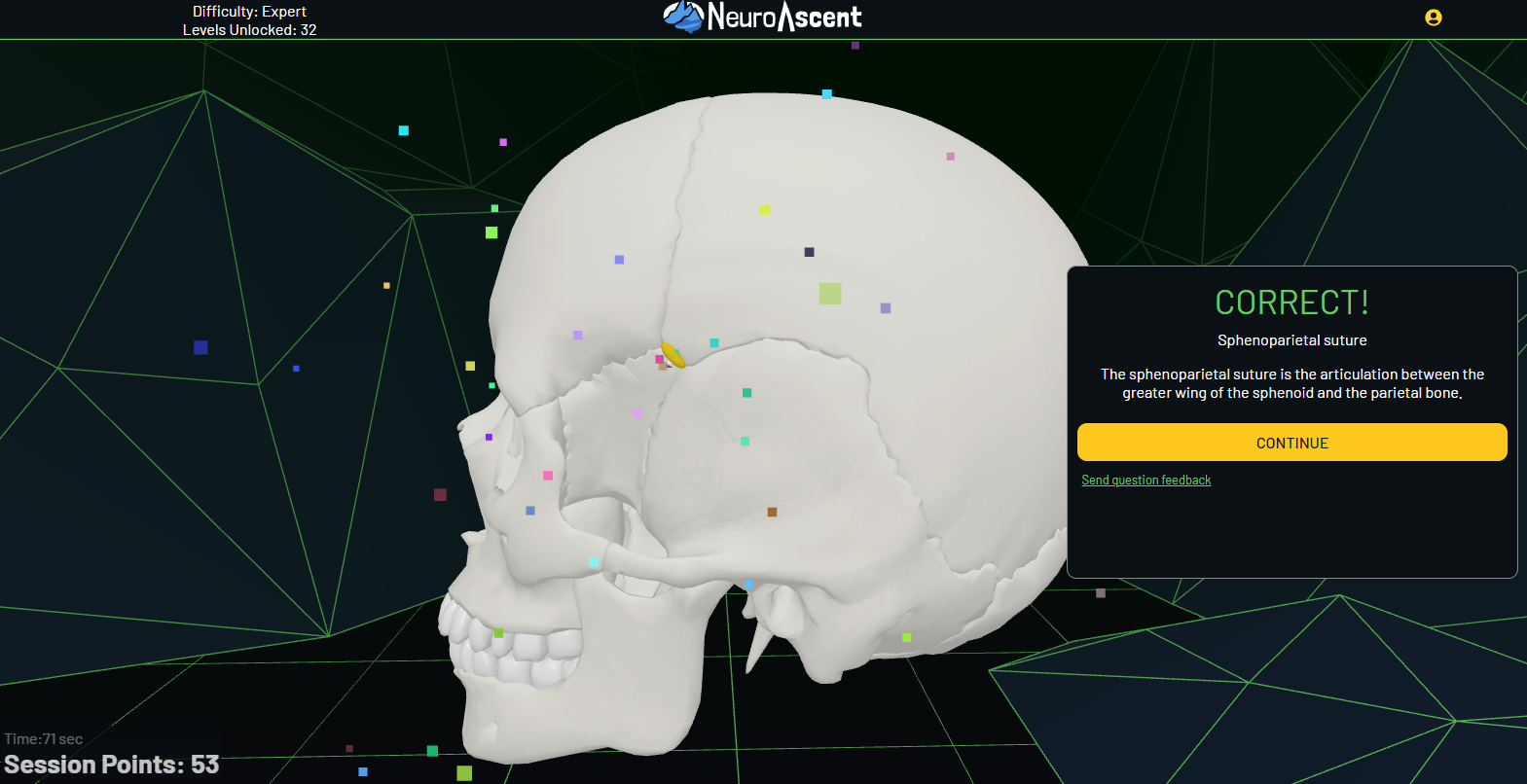
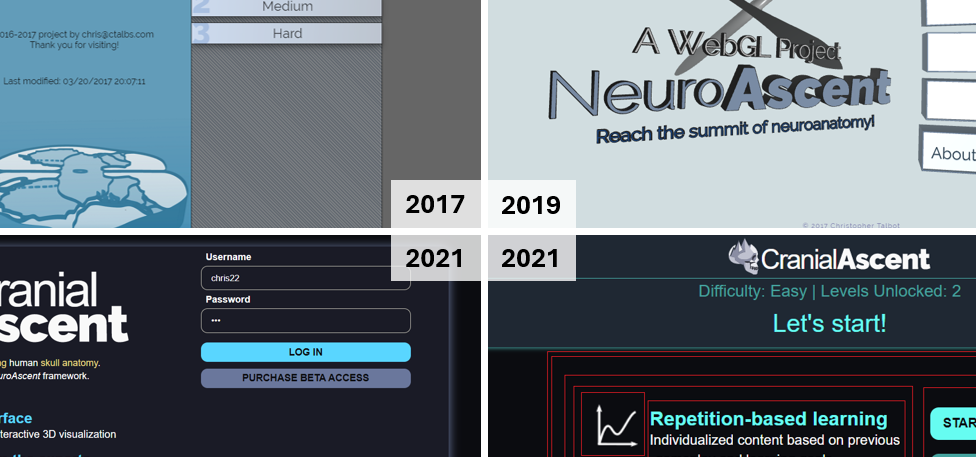
NeuroAscent was built with this problem in mind: an interactive, game-based platform that makes neuroanatomy more accessible for learners at every level. Stronger neuroanatomy education doesn’t just produce more neurologists; it builds confidence in the primary care providers, emergency physicians, and other clinicians who encounter neurological conditions every day.
Looking Ahead
The burden of neurological disease is growing, and addressing it will take action on multiple fronts: more research funding, better screening and early detection programs, and stronger education for the healthcare workforce. None of these are simple fixes, but even incremental progress matters when the numbers are this large.
References
GBD 2021 Nervous System Disorders Collaborators. Global, regional, and national burden of disorders affecting the nervous system, 1990-2021. Lancet Neurol. 2024;23(4):344-381. doi:10.1016/S1474-4422(24)00038-3.
WHO. 11 million lives lost each year: urgent action needed on neurological care. Geneva: World Health Organization; 2025 Oct 14. Available from: https://www.who.int/news/item/14-10-2025-11-million-lives-lost-each-year-urgent-action-needed-on-neurological-care.